

The load comes back at half four. A restaurant in Sliema turned away two crates of chilled produce, the driver says the van was cold all day, and he is probably right. Being right and being able to show it are two different things, and it is the invoice that settles the difference.
Temperature monitoring in a refrigerated van earns its place in the ten minutes after that phone call. Not as a dashboard somebody watches, because nobody watches one, but as a record you can open while the customer is still on the line: how cold the body was, where the van was at the time, and what the reading did at the point they say it went wrong.
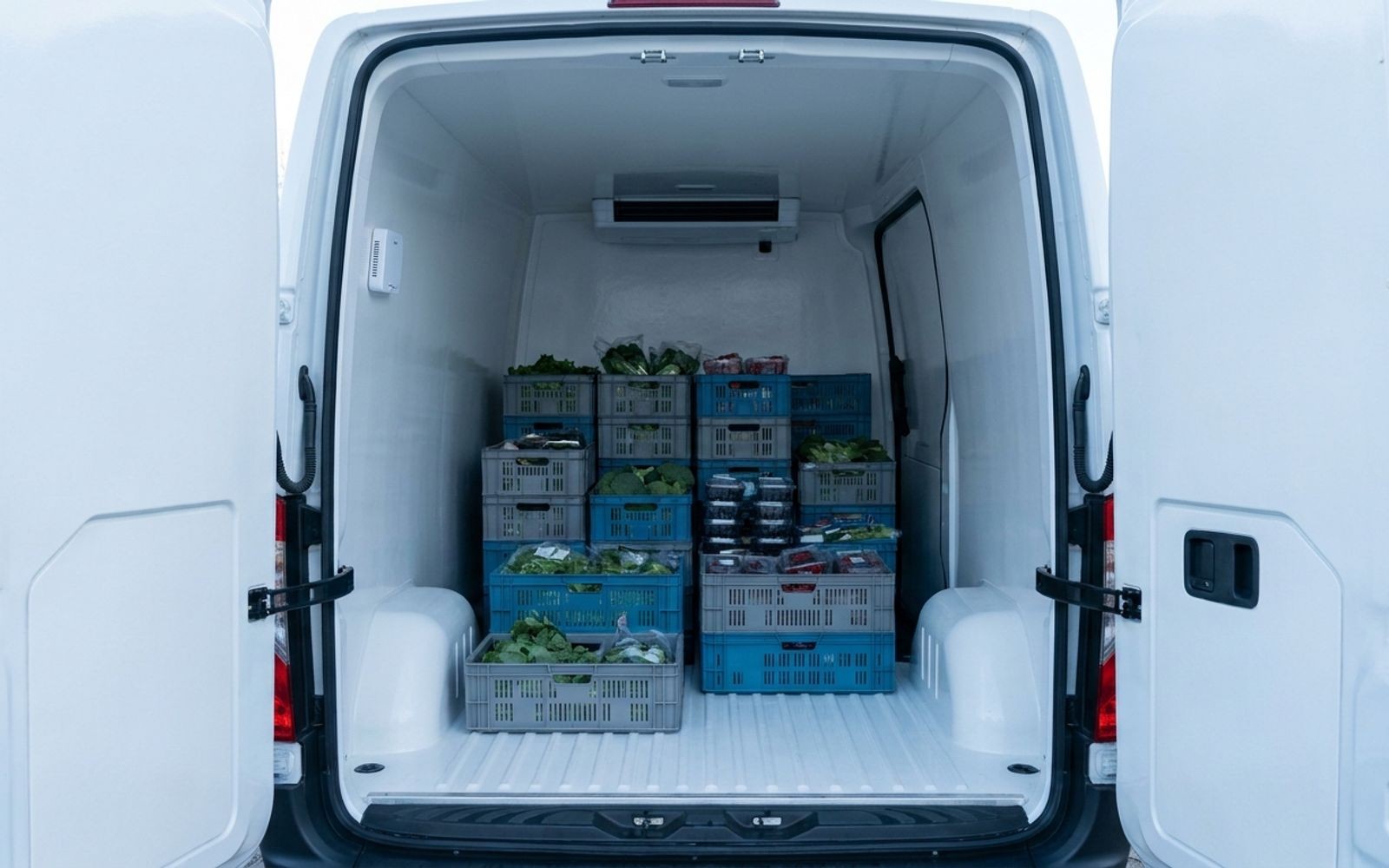
What the temperature record actually contains
Yipii's Temperature report is the cold-chain record: sensor readings with their timestamps, the position each reading was taken at, and the vehicle it came from, exported as PDF, Excel, JSON or HTML. It is one of 29 report types in the platform and it is the one a delivery dispute needs. A wired probe reports a reading every 30 seconds while the vehicle is moving, and Yipii keeps the history for two years and more, so a claim that arrives in November about a load carried in August still has something behind it.
What each kind of sensor reports
Yipii takes temperature from a wired probe or from a Bluetooth sensor, and the two give you different records rather than the same record at different prices.
| Sensor | What it reports | What that means in practice |
|---|---|---|
| Wired probe | Temperature, to plus or minus 0.5 degrees, wired into the tracker | The tightest record, and the one to fit where a single body temperature is what gets argued about |
| Bluetooth sensor, such as the Teltonika EYE | Temperature and humidity, plus its own battery voltage and signal strength | One per compartment without running cable, so a van carrying chilled and frozen on the same round gets a reading for each |
| Smart sensor | The above, plus movement, magnet state for a door, and pitch and roll | Door openings sit alongside the temperature line, which is usually what explains a rise at 11:40 in Valletta |
Which one to fit is a question about your vehicles rather than about the software, and the temperature monitoring page walks through it. What matters once the sensor is on the van is reading what it sends back correctly, and there are three places that catches people out.
How to read the numbers without being caught out
A temperature reading of exactly 0 in Yipii means "not reported", not zero degrees. That is the first thing to know before a record goes to a customer. A column of zeroes is a sensor that went quiet, and reading it as a perfectly chilled load is a mistake you make once.
The second is range. Yipii detects a Bluetooth sensor passively within about 10 metres of the tracker, and the signal is affected by metal, water and the human body. A refrigerated body is a metal box with a load of water inside it. A sensor at the far end of a full van in August is the exact case where readings start thinning out, so mount it where it keeps a line to the tracker and check the record on a full load rather than an empty one.
The third is that the platform groups a sensor as near, away or lost by signal strength: stronger than minus 60 dBm is near, minus 60 to minus 80 is away, and weaker than minus 80 is drifting out of range. Those are signal bands, not distances. A sensor reading "away" through a bulkhead is normal, and a sensor reading "near" from the next van in the yard is possible.
One more, and it is the cheapest to act on. A sensor battery is healthy above 2.8 V and wants replacing below 2.0 V, and a beacon in daily use runs one to two years. The voltage is in the record, so the replacement is something you schedule rather than something you discover on a rejected load.
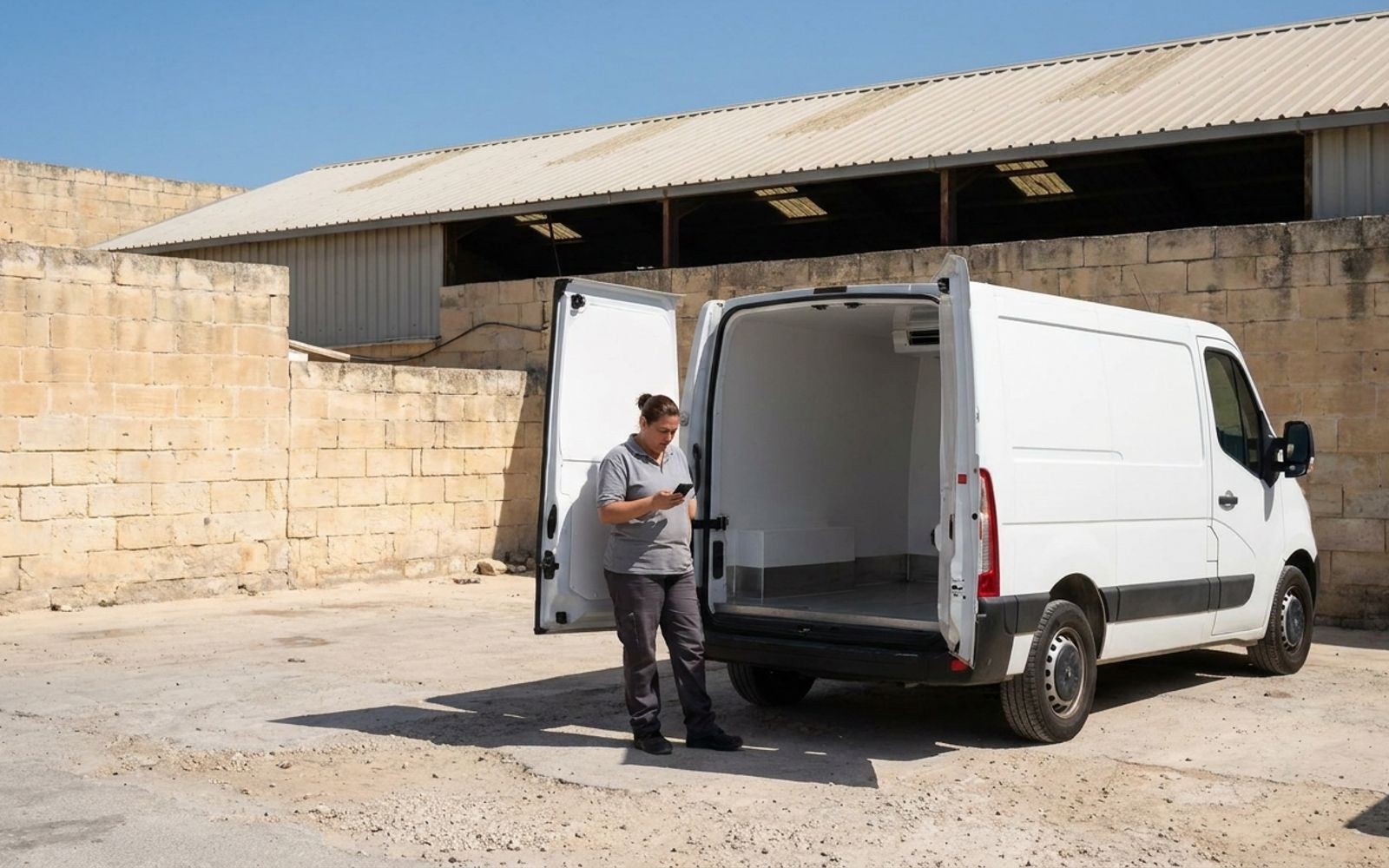
Which temperature alert to switch on, and where it sends
Yipii raises Sensor Temp High and Sensor Temp Low against a threshold you set, with the recipients chosen per alert rather than for the whole account. Push notifications are free and arrive immediately, which makes them the default for anything urgent. SMS and WhatsApp spend credits, so they are worth keeping for the few conditions where somebody has to be reached with the app closed. Where a condition fires often, a digest gives you one summary email instead of forty separate ones.
Two limits are worth designing around rather than discovering. There is no acknowledge action and no acknowledged status in Yipii alerts, so nobody can see whether the 02:00 message was read or slept through. Name one person per alert instead of sending it to a group, because an alert that goes to everybody belongs to nobody.
The second matters more for cold chain than for anything else. Alerts are evaluated on incoming tracker data, so a tracker that has gone offline raises nothing at all, including the temperature alert you are relying on. Switch on Tracker Offline and Low Battery next to the temperature conditions. Those are the alerts that tell you the other alerts have gone quiet, and they are the ones most often left off.
Pulling the record when a delivery is disputed
A Temperature report is capped at 31 days, so a dispute that straddles two months is run as two. Export it as PDF for a customer or Excel for your own working, and put a schedule on it if you would rather see last week's readings arrive by email every Monday than remember to look. Report Builder itself is desktop only by design, so the building happens at a desk even though the alerts land on a phone.
The same discipline that closes a temperature dispute closes a route dispute, and we have written up replaying a route three weeks after a complaint in more detail. The pattern is the same. Answer from the record instead of arguing from memory.
A check you can run this week
- Open the last Temperature report for one refrigerated vehicle and look for zeroes. If there are any, the sensor stopped reporting there, and you want to know why before a customer finds it.
- Look at the sensor battery voltage in the same record. Below 2.8 V, order a replacement now rather than in the middle of a heatwave.
- Run the report for the busiest day of last week, on a full load. Gaps show up under cargo, not in an empty van.
- Check who receives Sensor Temp High. If the answer is a shared mailbox or four people, put one name on it.
- Confirm Tracker Offline is switched on for every vehicle carrying a temperature sensor.
Questions we get asked
How accurate is the temperature reading?
A wired probe is specified to plus or minus 0.5 degrees. That is tight enough for the readings to stand up in a delivery dispute, and it is the figure to quote if a customer asks what the record is worth.
How often does it take a reading?
Every 30 seconds while the vehicle is moving. A parked van reports less often, which is normally what you want, because a vehicle standing overnight producing a reading every 30 seconds is a lot of data about nothing.
How long are the readings kept?
Two years and more, with longer retention available. A complaint that arrives months later still has a record behind it.
Can I get a reading per compartment?
Yes, with a Bluetooth sensor in each compartment. A van carrying chilled produce and frozen goods on one round gets a separate line for each, which is the version of the record that settles an argument about one pallet rather than the whole load.
We already have trackers. Do they support this?
It depends on the hardware. Teltonika devices carry the full set including Bluetooth. Cellocator devices cannot do Bluetooth at all and are discontinued, so a fleet running those needs the tracker changed before a wireless sensor is an option. Send us your device list and we will tell you which is which.
Does the record prove we stayed compliant?
It gives you timestamped, positioned readings for the whole journey, which is the evidence somebody asks for. Whether that satisfies a particular customer's protocol is between you and them, and worth agreeing before the first load rather than after the first rejection.
Sources
Read on 1 September 2026.
- Yipii IoT documentation, beacons and tags
- Yipii IoT documentation, alerts
- Yipii IoT documentation, reports
- Yipii, environmental monitoring and cold chain operations in Malta
Related: environmental monitoring covers the sensors themselves and how they attach, if you are working out what to fit rather than how to read it.
What we would do next
Run the five checks above on one vehicle this week. They cost nothing and they usually turn up either a tired battery or a sensor that has been quietly reporting zeroes.
Then send us the list of what is fitted in your vehicles, tracker models and any sensors, and we will tell you where the gaps are, whether or not you buy anything from us. Most lists we see have a temperature sensor with no offline alert behind it, which is the failure that costs a load.
If you want it priced, the starting figures for each package are on the pricing page. What it comes to for your fleet depends on how many vehicles, which devices and which features, and that is a short conversation rather than a figure. We are happy to have it.
Chris Bartolo, Founder. Current at 1 September 2026.